- “Flipped Perspective”
An upside-down portrait under the trees creates a playful perspective. It makes the viewer pause and rethink orientation.
- “Mini Motion”
A sneaker balances on a small toy car with bold contrast. The composition feels energetic and creative.
- “Veiled Mystery”
A figure covered in a delicate veil appears mysterious. The image carries a soft and haunting mood.
- “Pattern Illusion”
Swirling patterns surround the subject and create an optical illusion. The design blends the person into the background.
- “Quiet Confidence”
The subject sits calmly, looking off to the side. The pose suggests quiet confidence and reflection.
- “Laid-Back Presence”
Reclining on the ground, the subject appears relaxed. The posture gives off a laid-back and effortless feeling.
- “Bloom in Light”
Bright flowers bloom vividly in natural light. The colors bring warmth and life to the scene.
- “Centered Focus”
A circular object draws attention to its center. The symmetry creates a mesmerizing visual.
- “Crafted Detail”
A detailed sculpture stands as a focal point indoors. Its craftsmanship adds depth and character.
- “Soft Petals”
Soft pink flowers are captured in sharp focus. The background blur enhances their delicate beauty.
- “Texture Study”
A close-up of hair highlights texture and movement. The simplicity makes it visually interesting.
- “Nature Meets Structure”
Flowers stretch outward near a building. The mix of nature and structure feels balanced.
- “Shadow Blooms”
Darker flowers are tucked into shadow. The lighting adds a moody and dramatic tone.
- “Fleeting Form”
A blurred figure appears almost ghostlike. The motion creates a surreal atmosphere.
- “Skyward Growth”
Flowers reach toward a bright sky. The image feels fresh and uplifting.
- “Rhythm of Petals”
Repeating blooms create a rhythmic pattern. The repetition makes the image satisfying to view.
- “Subtle Variations”
A cluster of flowers is captured with subtle lighting changes. The variation adds depth to the composition.
- “Simple Standout”
A single white flower stands out among greenery. Its simplicity makes it striking.
- “Bold Expression”
A person in a unique outfit stands confidently. The styling feels bold and expressive.

Dip

Cubism


Read write AI
Artificial intelligence (AI) is becoming an important tool in photography, helping photographers improve both their images and workflow. The article explains that AI is already used in many cameras and editing programs through features like facial recognition, autofocus, and automatic corrections. In editing, AI can enhance photos by adjusting lighting, sharpening details, reducing noise, and even replacing backgrounds or increasing image quality. AI also helps photographers save time by organizing photos, sorting images, and quickly removing unwanted shots, allowing them to focus more on creativity instead of technical work.
In my opinion, AI should be used as a helpful tool rather than something that replaces a photographer’s skills. It can make editing faster and give creative ideas, but the photographer should still control the final result and maintain their own style. If AI is overused, photos may start to look less original or too automated. The best way to use AI in photography is to combine it with real knowledge of lighting, composition, and storytelling so that the images still feel authentic and personal while benefiting from the efficiency AI provides.
Business
From the articles, I learned that being a successful photographer is not just about taking good pictures, but about running a strong business. Photographers need communication, marketing, and networking skills to grow, because building relationships and trust with clients is just as important as having talent. Another major point is understanding finances, since knowing your expenses, profits, and pricing helps keep the business sustainable and prevents undercharging. To market my business, I would use social media like Instagram and TikTok to post my work consistently, build a portfolio website, and network with people to gain referrals, since word-of-mouth is very important. If I were pricing my work, I would base it on my costs, time, and effort, making sure I include expenses like equipment, editing, and taxes, with prices ranging from around $100 for small shoots to over $1,000 for larger events, while still making a profit. In a contract, I would include clear details like pricing, payment terms, number of photos delivered, deadlines, cancellation policies, and usage rights so both me and the client understand expectations. Overall, the biggest lesson for photography and any business is to treat it professionally, understand your numbers, build strong relationships, and focus on both your skills and your business mindset to succeed.

This photo shows a moment from when I was a kid eating at a restaurant with my friend. We were sitting in a booth with big plates of food in front of us, and it looks like we were enjoying our meal and having a good time. From my perspective, it reminds me of how simple and fun things felt when we were younger. Just sitting down, laughing, and sharing food together made the moment special. Even though it was just a normal day, looking back at it now makes me appreciate those memories and how important friendships were growing up.
The girl in the picture is my friend, and we are still friends today, which makes this photo even more meaningful to me. It reminds me of how long we have known each other and the memories we have shared over the years. When I was younger, I also loved playing cooking games, which might be why moments around food always felt fun to me. I also started liking photography because pictures like this capture memories that you can look back on later in life. Photos help tell stories about who we were, what we enjoyed, and the people who were important to us.
collage


In the article “What is Cultural Photography?” by Adam Marelli, the author explains how he created the term “cultural photography” to better describe his unique approach to taking pictures. He shares how common labels such as documentary, portrait, or street photography did not fully represent his work because he focuses on expressing his personal point of view rather than being completely objective. Marelli became especially interested in culture, meaning both the visible and invisible forces that shape how people live, work, and practice traditions. One of the most interesting parts of the article is his commitment to fully experiencing the cultures he photographs; he spent over ten years working in high-end construction and seven years studying Zen Buddhism so he could truly understand craftsmen and meditation from the inside. He summarizes this idea with the phrase “experience first and photography second.” Another important moment is when he turned down an opportunity with National Geographic because they required his project to be in color, while he believed black and white better reflected the Japanese sumi ink tradition. Overall, the article shows that cultural photography is about deep understanding, personal perspective, and artistic integrity, encouraging photographers to go beyond simple labels and develop meaningful connections with their subjects.


- The image shows a colorful spread of freshly grilled food arranged on a wooden table.
- There are juicy grilled chicken breasts with clear grill marks placed in the center.
- Several skewers filled with pieces of meat and vegetables sit to the right side.
- Bright yellow corn on the cob adds a pop of color to the meal.
- Grilled sausages are arranged neatly on a black plate near the top left.
- Small bowls of sauces like ketchup and mustard are included for dipping.
- Fresh herbs and greens are sprinkled around the dishes for garnish.
- Lemon wedges are placed nearby, ready to add extra flavor to the food.
- The variety of textures and colors makes the meal look very appetizing.
- Overall, the image gives the feeling of a delicious outdoor barbecue or family cookout.


Upsides of AI
-
Increases efficiency – AI can do tasks faster and more accurately than humans, especially repetitive work.
-
Reduces human error – In areas like math, data analysis, and manufacturing, AI helps avoid mistakes.
-
24/7 availability – AI systems can work nonstop without getting tired.
-
Helps in dangerous jobs – AI can be used in places that are unsafe for humans, like mining or disaster zones.
-
Improves decision-making – AI analyzes large amounts of data to help people make better choices (medicine, business, traffic).
Downsides of AI
-
Job loss – Some jobs may be replaced by AI and automation.
-
High cost – Developing and maintaining AI systems can be expensive.
-
Lack of human judgment – AI doesn’t have emotions, morals, or common sense like humans do.
-
Privacy concerns – AI often needs a lot of personal data, which can be misused.
-
Dependence on technology – Overusing AI can reduce human skills and problem-solving ability.


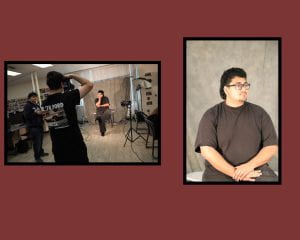

SANDY
Read & Write Article 5 things your camera wish you knew.
- One thing it wishes is AI Focus and AI Servo are not interchangeable
- The second thig it wishes is lintless cloths never seem to be lintless
- The third thing it wishes is memory cards are not created equal
- The fourth thing it wishes is the camera feels more secure with the center column of your tripod down
- The fifth thing it wishes is exposure compensation is the best friend of a pop-up flash
Chalk
 Halloween photos


 pick a something

Create art

PICK A SOMETHING

MOTION BLUR


#1 — Data Analyst — City of Fontana (Innovation & Technology Dept.)
Pay: about $6,718–$8,169 / month (City posting).
Qualities / skills employers want: data cleaning, Excel/SQL proficiency, data visualization (Power BI/Tableau), ability to interpret datasets to support city decisions.
How to gain skills & experience: take Excel and SQL online courses (Coursera/LinkedIn Learning), build a small portfolio (school projects or volunteer to analyze local non-profit data), learn Power BI or Tableau, and practice writing short reports that explain findings. Internships or part-time analyst roles help.
#2 — IT / Help Desk Technician (Entry-Level) — Local businesses, healthcare providers, call-center support roles in/near Fontana
Pay: typical ranges seen locally $19–$30 / hour depending on level.
Qualities / skills employers want: troubleshooting Windows/macOS, basic networking, customer service, ticketing system experience; some roles ask for bilingual skills (Spanish helpful in the area). Certifications like CompTIA A+ or Network+ are often preferred.
How to gain skills & experience: get CompTIA A+ (entry-level) certification, practice building/troubleshooting PCs, volunteer at school tech desk, set up a home lab to learn basic networking, and create a resume listing hands-on fixes and customer interactions. Apply for help-desk internships to get experience.
#3 — Computer Repair / Field Technician — Local repair shops or field service companies (Fontana / Inland Empire)
Pay: many postings list $15–$24 / hour for entry-level tech/repair roles (varies by employer).
Qualities / skills employers want: hardware diagnosis and repair (laptops, phones), soldering/part replacement basics, fast troubleshooting, good manual dexterity, and experience with OS reinstallation. Prior repair experience is often requested.
How to gain skills & experience: practice repairing old laptops/phones, watch repair tutorials, do inexpensive certification/short courses, and offer free/low-cost repairs for friends/family to build a portfolio. Applying to local shops (e.g., cell/computer repair stores) as an apprentice is common.
#4 — Web Developer / Software Developer (Junior) — Companies hiring around Fontana / Inland Empire (remote/hybrid possible)
Pay: varies widely; entry/junior roles can be hourly or salary — check listings, many openings across the Inland Empire.
Qualities / skills employers want: HTML/CSS/JavaScript for front-end; or backend skills (Python, Java, C#) for other roles; Git, basic algorithms, ability to collaborate in teams. Portfolio of projects and GitHub repo is very important.
How to gain skills & experience: complete a web dev bootcamp or follow free structured paths (freeCodeCamp), build 3–5 polished projects (personal website, small web app, CRUD app), publish code on GitHub, and contribute to open-source or freelance small jobs to gain real world experience. Check local job boards and LinkedIn for openings.
Macro


SENIOR PORTRAIT
block paint

photo montage

COLLAGE

The article from Adorama Wide-angle lenses let you capture more of a scene, making them great for landscapes, buildings, and group photos. They can sometimes cause distortion, especially around the edges.
The article also shares the pros and cons of each lens type and helps you decide which one to choose based on what kind of photography you like.
What Type of Photography Interests Me and Why:
I’m interested in landscape photography because I enjoy showing wide, beautiful views of nature. I also like wildlife photography because I can take pictures of animals from far away without bothering them. Wide-angle lenses help capture big scenes, and telephoto lenses are great for close-up shots of animals.
TRIPTIC PHOTOS
MIRROR PROJECTION

MIRROR IMAGE
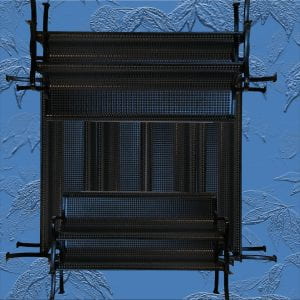
DEPTH OF FIELD
This is my depth of field i personally enjoyed this assignment since I haven’t held a camera in 2 years.

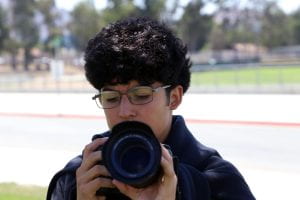

Photo sim
I think it helped me learn on how to use my camera settings again since not being here for a while. I also learned how to test and make sure i take the photos on how I like them instead of using P mode alot towards the end of the year.
- Aperture: The opening in the lens that controls the amount of light entering the camera, affecting depth of field.
- Shutter Speed: The amount of time the camera’s shutter is open to allow light to hit the sensor, affecting motion blur.
- ISO: Sensitivity of the camera sensor to light; increasing ISO helps in low-light conditions but adds noise.
- When to Change ISO: Increase ISO in low-light environments or when a faster shutter speed is needed, but avoid going too high to reduce noise.
- Aperture and Shutter Priority: Modes that let you control either aperture (A or Av) or shutter speed (S or Tv), while the camera adjusts the other for proper exposure.
- AF Modes: Autofocus settings (like Single, Continuous, and Automatic) that affect how the camera focuses on subjects, adjustable through the camera menu or buttons.
- Metering Light: Measuring the light in a scene to ensure the correct exposure, preventing under or overexposed photos.
- Normal, Wide Angle, and Telephoto Lenses: Lenses with varying focal lengths: normal (standard view), wide-angle (more expansive view), and telephoto (magnifies distant subjects).
- White Balance: Adjusts color temperature to ensure natural-looking colors under different lighting conditions.
- Depth of Field: The range of the image that appears in focus, with shallow depth of field blurring the background and a deep one keeping everything sharp.
- Drive and Metering Modes: Drive modes control how many shots are taken in burst mode, while metering modes determine how the camera measures light for exposure.
- Exposure Compensation: A setting that lets you adjust the exposure (brighter or darker) from the camera’s default metering.


 Halloween photos


 pick a something